Multifamily Property Management in New York City: What Owners Should Expect
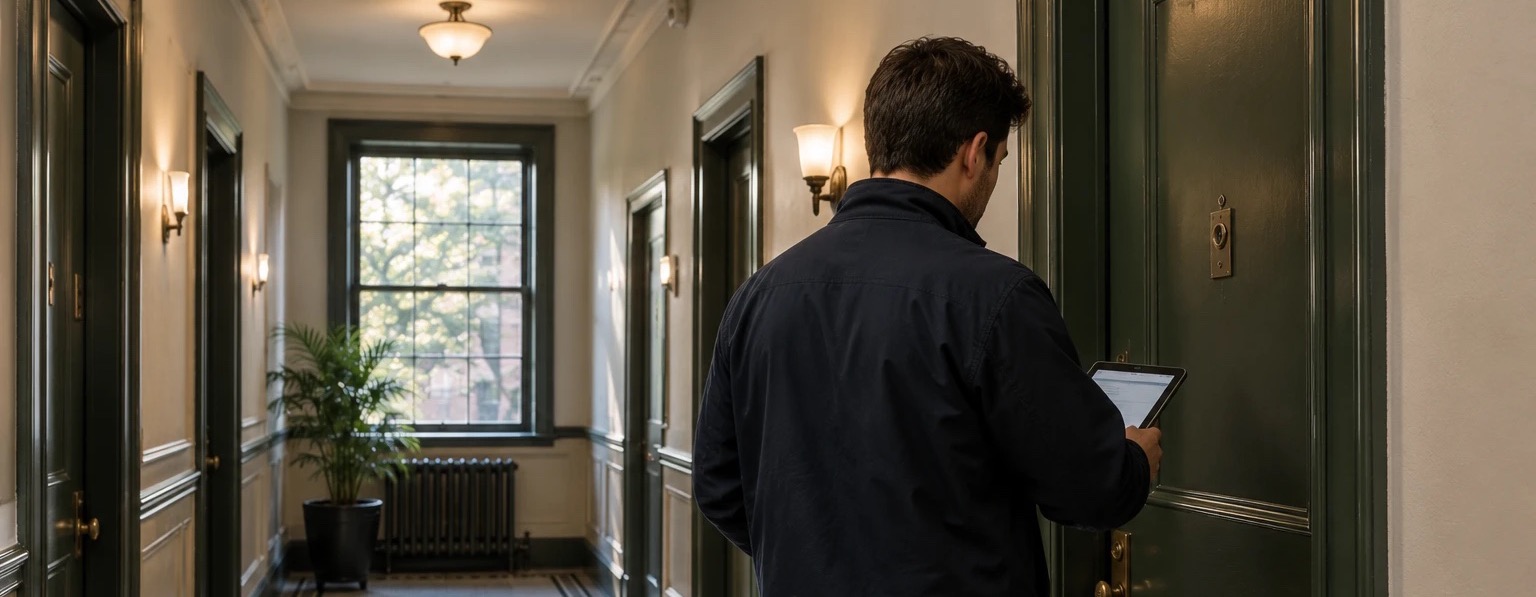
Multifamily property management is the day-to-day operation of residential rental buildings on behalf of their owners. It covers leasing units, collecting rent, administering leases, maintaining the building, managing capital work and reporting results. Third-party property management refers to this work performed by an outside firm for owners who prefer not to operate their buildings directly, including individual owners, family offices, institutional investors and co-op and condominium boards.
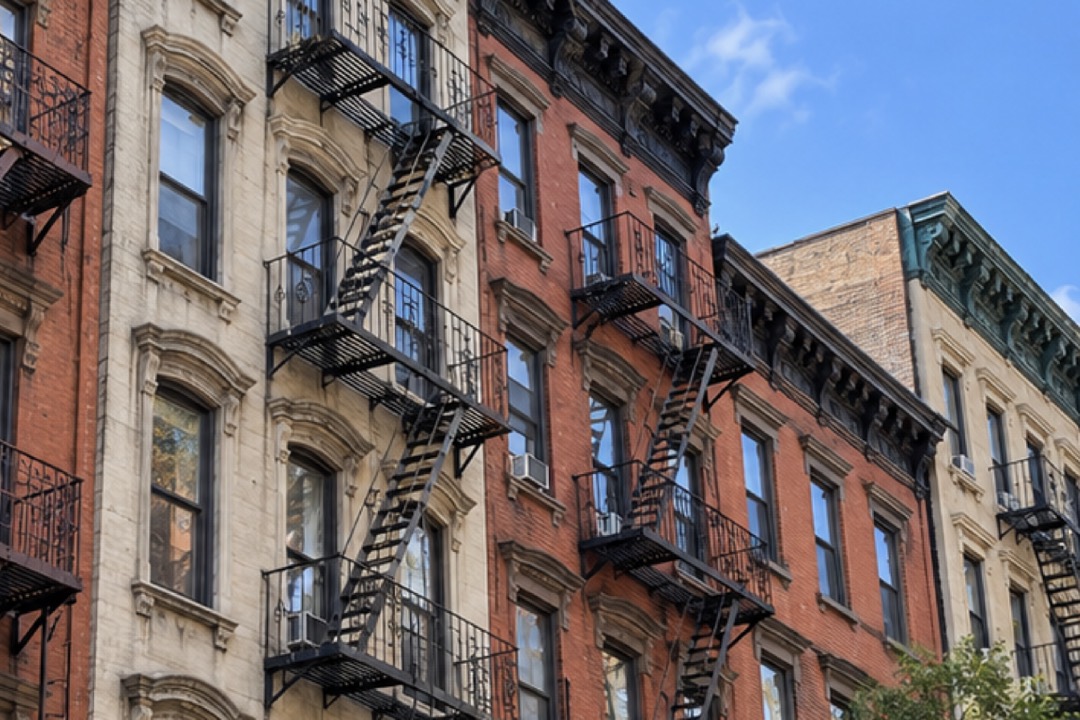
In New York City, the role carries particular weight. Buildings are generally older, a large share of units is subject to rent regulation, and owners face a dense calendar of registrations, inspections and filings. The manager is responsible for meeting those obligations while keeping the building occupied, collected and in good physical condition.
What Multifamily Property Management Covers
A full-service manager typically takes responsibility for the following functions:
Marketing available units, conducting showings, processing applications and screening applicants to place well-qualified residents and sustain occupancy.
Structured collection processes and early follow-up on arrears to protect income and maintain consistent cash flow.
Renewals, notices and lease documentation, including the requirements that apply to rent-stabilized units under New York law.
Preventive maintenance, routine inspections, resident work orders and an around-the-clock emergency line.
Planning and oversight of unit turnovers, building system replacements and larger capital improvements.
Coordination of property insurance, certificates and claims.
Regular financial and operational reporting that gives owners and boards a clear view of each property's performance.
Why Management Quality Affects Asset Value
Multifamily properties are valued on net operating income (NOI). Every function a manager performs, from how quickly a vacant unit is leased to how consistently arrears are pursued and how well operating expenses are controlled, flows directly into NOI and, through the capitalization rate, into value.
Modest operating differences can therefore have a meaningful effect. At a 5.5% capitalization rate, each additional $10,000 of annual NOI corresponds to approximately $180,000 of property value. The same relationship works in reverse: extended vacancy, uncollected rent and deferred maintenance reduce income and, over time, the value of the asset.
Management also shapes a building's long-term condition. Preventive maintenance and timely capital planning generally cost less than emergency repairs, and well-maintained buildings tend to retain residents longer, which reduces turnover costs and vacancy.
Every function a manager performs flows into net operating income and, through the capitalization rate, into value.
The New York City Operating Environment
New York City presents one of the most demanding operating environments for multifamily owners in the United States.
A substantial portion of the city's rental housing stock is rent-stabilized. Stabilized units are subject to limits on rent increases, required lease renewal offers and annual registration with New York State Homes and Community Renewal. Since the Housing Stability and Tenant Protection Act of 2019, the routes by which owners can increase regulated rents have been significantly narrowed, which places greater weight on accurate lease administration and careful expense management.
Owners of multiple dwellings must register their buildings annually with the Department of Housing Preservation and Development. Buildings taller than six stories are subject to facade inspections every five years under the Facade Inspection Safety Program. Pre-1960 buildings carry additional lead-based paint obligations, and owners must provide heat to residents during the heat season, which runs from October 1 to May 31.
Local Law 97 sets carbon emissions limits for most buildings larger than 25,000 square feet, with penalties for buildings that exceed them. Meeting these limits generally requires planning capital work years in advance.
Manhattan, Brooklyn, the Bronx, Queens and Staten Island each have their own submarket dynamics, resident base and building stock. Rents, unit mix, vacancy patterns and the typical age of buildings vary considerably between boroughs and between neighborhoods within them.
Given this environment, a manager's regulatory capability is as important as its operational capability. Missed registrations, improperly documented renewals or overdue inspections can lead to fines, violations and, for regulated units, disputes over legal rents.
In-House and Outsourced Management Models
Property managers differ significantly in how they deliver services. Some perform core functions with their own staff, while others coordinate a network of outside contractors and vendors.
In-house models generally allow faster response times, closer cost control and a single point of accountability. Outsourced models can offer flexibility but may introduce additional layers between the owner and the work being performed, along with the coordination costs that come with them.
A related distinction is whether the manager also owns and operates its own portfolio. Owner-operators manage buildings with the perspective of an owner, because the same systems and standards are applied to their own assets. For third-party owners, this alignment can provide greater confidence that decisions are made with long-term asset value in mind.
How Owners Evaluate a Property Manager
Owners and boards considering a new manager typically assess:
- Experience With Similar Buildings
Track record with properties of comparable size, age, regulatory status and location - Regulatory Capability
Demonstrated knowledge of rent stabilization, registration requirements, inspection programs and local energy rules - Service Delivery Model
Which functions are performed in-house and which are subcontracted - Reporting Standards
The content, format and frequency of financial and operational reports - Accessibility
A dedicated point of contact and clear lines of communication between the owner, the manager and residents - Maintenance Response
Emergency coverage, work order tracking and the approach to preventive maintenance - Transition Process
A defined plan for taking over a building from a previous manager
Transitioning to a New Manager
Changing managing agents should not disrupt residents or income. A structured transition typically follows four stages:
- Property Review An assessment of the building's physical condition, leases, financial records and compliance status.
- Transfer of Records Leases, resident files, vendor contracts and accounts are transferred in coordination with the outgoing manager.
- Resident Notification Residents are informed of the change and of new contact and payment details.
- Reporting Under New Standards Financial and operational reporting begins under the new manager from the first month.
Existing leases remain in force throughout. A well-planned transition protects occupancy, collections and resident relationships while the new manager's standards are put in place.
Owner Checklist
Before engaging a property manager, owners may consider whether they can answer the following:
Does the manager have experience with buildings of similar size, age and regulatory status?
Which services are performed in-house, and which are subcontracted?
How does the manager track rent-stabilized registrations, renewals and inspection deadlines?
What reports will the owner receive, and how often?
Who is the owner's day-to-day point of contact?
How are emergencies handled outside business hours?
What does the transition from the current manager involve?
Frequently Asked Questions
What does a multifamily property manager do?
A multifamily property manager operates residential rental buildings on behalf of their owners, handling leasing, rent collection, lease administration, maintenance, capital projects, compliance and owner reporting.
What is third-party property management?
Third-party property management is the management of a building by an outside firm on behalf of its owner, rather than by the owner directly.
How is managing a rent-stabilized building different?
Rent-stabilized units are subject to limits on rent increases, required renewal offers and annual registration. Managers must document leases and renewals accurately to remain compliant and protect legal rents.
Is there a minimum building size for professional management?
It depends on the manager. Some firms focus on large portfolios, while others, including ZION, manage single buildings as well as multi-property portfolios.
Can a building change managers mid-lease?
Yes. Existing leases remain in force when a building changes managers. A structured transition ensures records, accounts and resident communications are handled without interruption.
What types of properties does ZION manage?
ZION manages multifamily, mixed-use, co-op, condominium and commercial properties across New York City.
Which areas does ZION serve?
All five boroughs: Manhattan, Brooklyn, the Bronx, Queens and Staten Island.
Which services does ZION handle in-house?
Leasing and screening, rent collection, lease administration, maintenance and emergency response, capital project oversight, insurance coordination and owner reporting are handled by ZION's own teams.
A Disciplined Approach to Property Management
Effective multifamily property management is built on consistent execution: qualified residents, timely collections, responsive maintenance, regulatory compliance and clear reporting. In New York City, where buildings are older and regulation is extensive, that execution has a direct effect on income, value and the long-term condition of the asset.
At ZION, property management was developed to operate our own multifamily portfolio, and the same systems, staff and standards extend to every building we manage for third-party owners. With more than 2,000 doors under management across all five boroughs, our in-house teams work alongside ZION's investment offerings, asset management, lending and finance, and insurance and risk platforms, so that each building is managed with the perspective of an owner.
For owners and boards, the choice of manager is ultimately a decision about how the asset will be operated every day.
 Integrated Real Estate Investment & Management
This article is provided for informational purposes only and does not constitute legal, tax or investment advice. Regulatory requirements described are general in nature and subject to change; owners should consult qualified advisers regarding their specific properties.