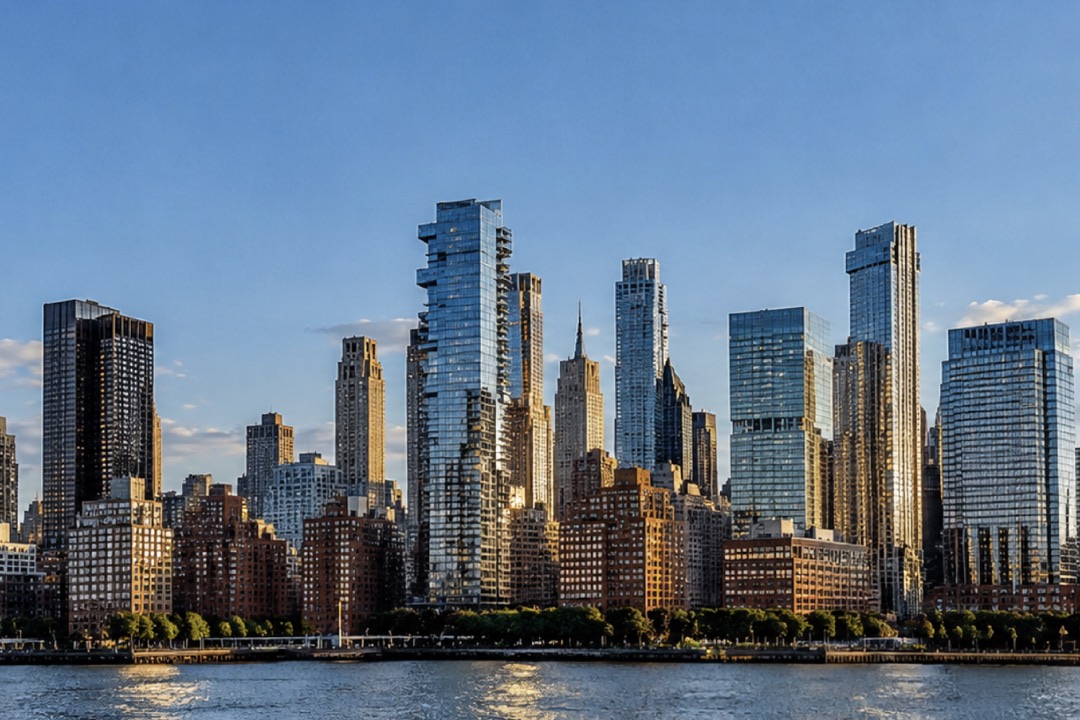
Unlocking Value in Overlooked Multifamily Assets

ZION’s approach to multifamily investing is rooted in discipline, market insight, and the ability to unlock value where others see limitations. Across its New Jersey and New York City portfolio, the firm has repeatedly demonstrated an ability to identify underperforming properties, deploy capital with precision, and execute the operational improvements needed to turn overlooked assets into strong-performing investments.
Two groups of acquisitions in particular illustrate this philosophy in action: a pair of neglected multifamily buildings in Asbury Park, New Jersey, and three distinct value-add opportunities across Brooklyn and Manhattan.
What connects these deals is not geography or asset size, but a consistent investment discipline. ZION's team evaluates each property on the gap between where it stands today and where it could stand with the right capital and the right management in place. That gap, more than any single market trend, is what determines whether an asset belongs in ZION's portfolio.
Strategic Acquisitions Rooted in Underinvestment
ZION's investment team looks for properties where years of deferred maintenance and underinvestment have created a gap between a building's current performance and its true potential. This pattern was clear at a 17-unit property in Asbury Park, acquired in 2013 with only three units occupied. It appeared again four years later at a 32-unit property a few blocks away, purchased with less than a quarter of its units leased. In both cases, the underlying fundamentals, unit count, tenant demand, and structural condition, supported a repositioning strategy, while the properties' distressed state allowed ZION to acquire at a basis that created meaningful room for value creation.
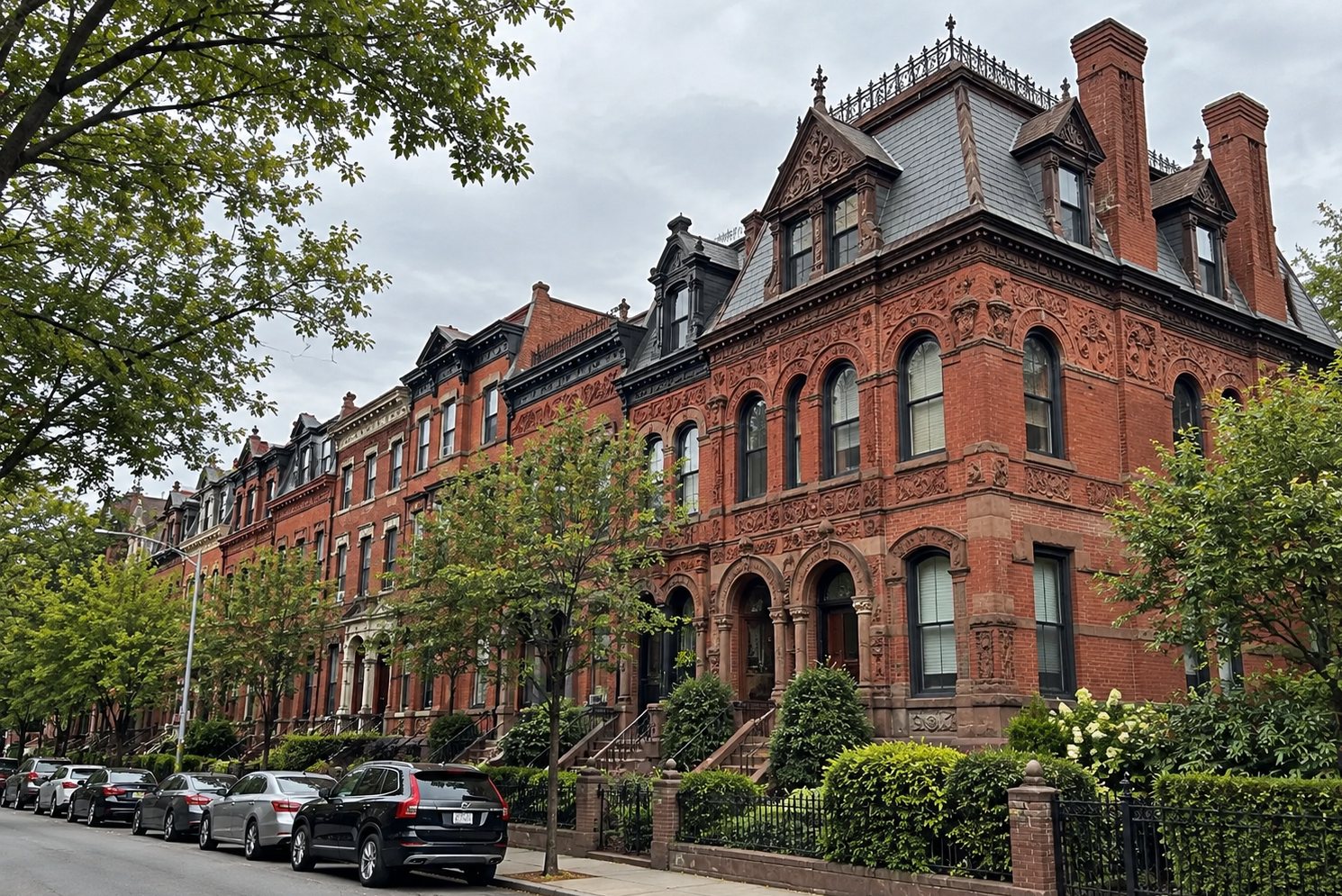
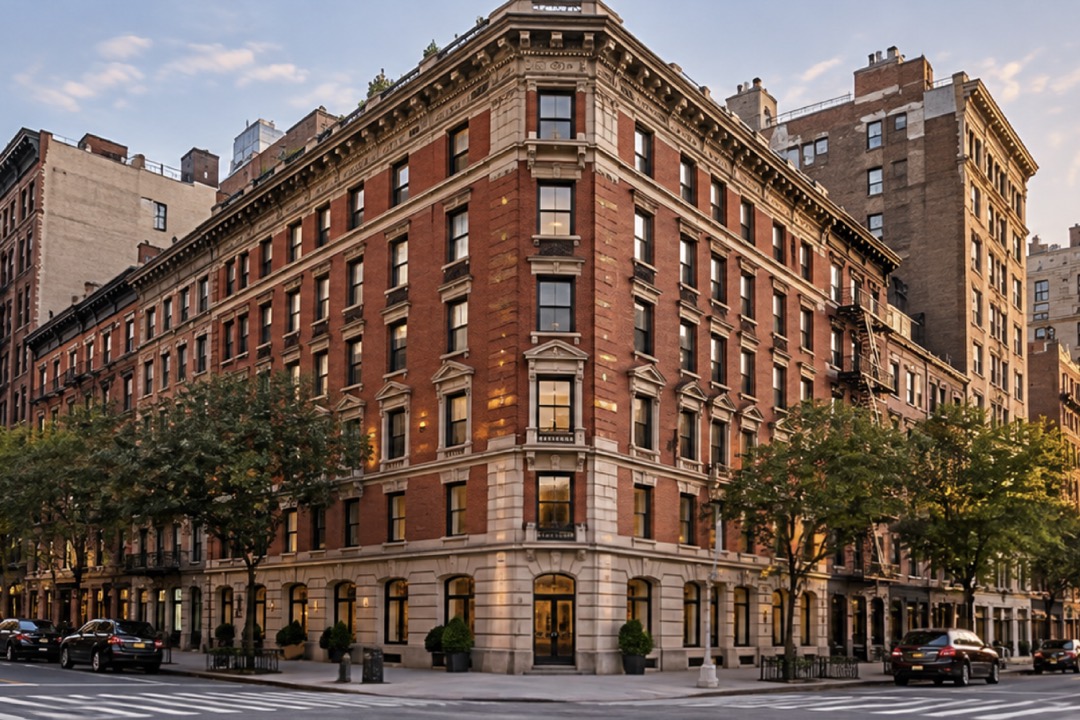
The same discipline shaped ZION's acquisitions in Brooklyn and Manhattan between 2015 and 2018. A 224-unit Brooklyn property had, after years of deferred maintenance, fallen well behind its submarket. A 24-unit Brooklyn building came out of an estate sale after the owning family could no longer support it financially. And in Manhattan, chronic vacancy and a below-market commercial lease had suppressed a mid-sized residential property's income for years. Each acquisition represented a different form of untapped potential, and each required a tailored plan to realize it.
Underinvestment is treated as opportunity rather than risk.
Targeted Capital Improvements and Repositioning
Once acquired, each property received a disciplined, high-impact renovation strategy rather than superficial upgrades. At the Asbury Park properties, ZION renovated kitchens and bathrooms so units could compete for tenants in a tightening rental market, and separated electric and gas metering so each unit covered its own utility costs instead of the owner absorbing that expense across the building.

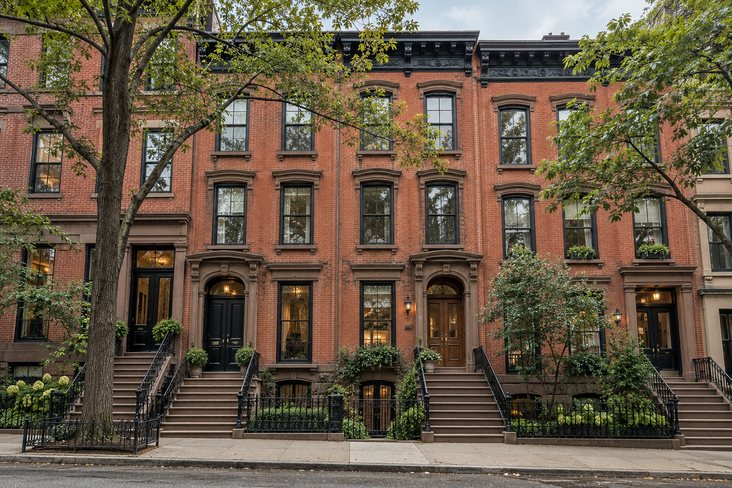
At the 224-unit Brooklyn property, ZION deployed more than $2 million in capital improvements, renovating over half of the building's units to bring the asset up to modern standards. At the Manhattan property, ZION renovated all six occupied units at turnover and brought two long-vacant units back online. At the 24-unit Brooklyn building, targeted improvements allowed units to be brought up to their maximum legal rent levels. In every case, the renovation strategy was designed to elevate the competitiveness of the asset while preserving accessibility for its core tenant base.
Case studies
Operational Execution and Revenue Optimization
Vacancy, deferred maintenance, an estate sale and a below-market commercial lease: five assets, each with its own route to the same result.
Physical improvements were paired with hands-on asset management focused on optimizing performance at the property level. At the Asbury Park properties, the combination of lower operating costs and repositioned units allowed ZION to reset rents, pushing collections up by roughly double what the buildings had generated before acquisition. At the Manhattan property, resolving a below-market commercial lease alongside the residential turnovers effectively doubled the property's net operating income. At the 24-unit Brooklyn building, disciplined lease management allowed the asset to reach its full legal rent potential without disrupting occupancy.
This combination of physical upgrades and operational discipline created the conditions for sustainable revenue growth and improved asset stability, the key drivers of long-term value creation in multifamily investments.
Three assets, three repositioning problems
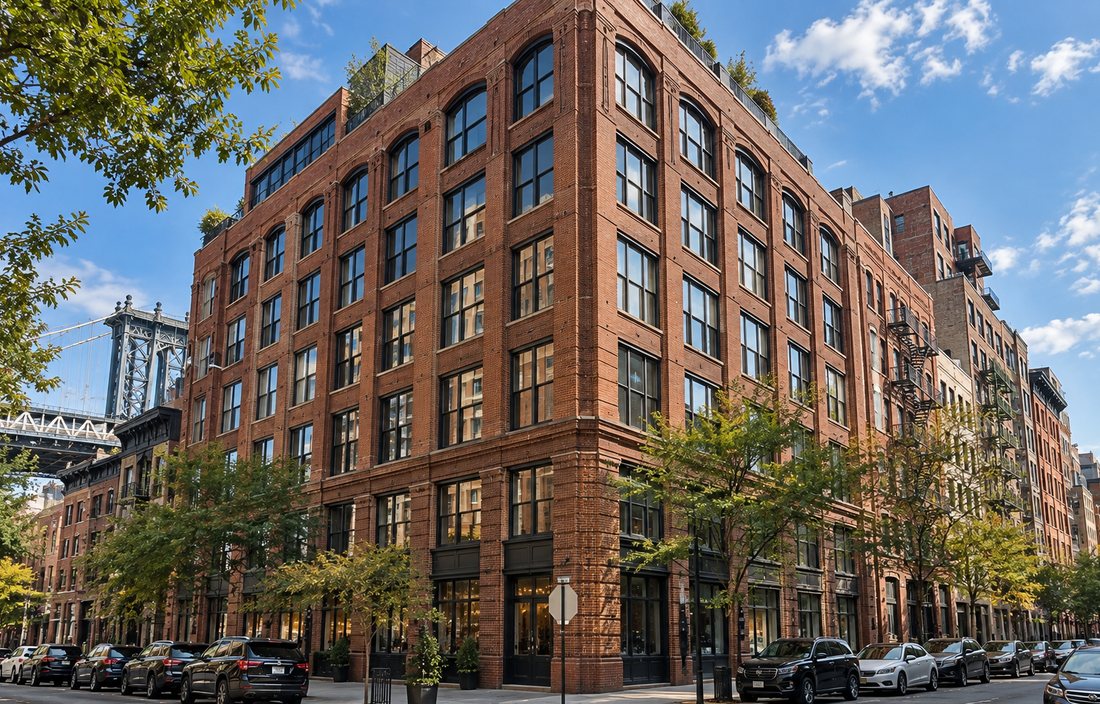 Brooklyn · 224 units
Deferred maintenance at scale
After years of deferred maintenance, the property had fallen well behind its submarket.
More than $2 million in capital improvements, renovating over half of the building’s units to bring the asset up to modern standards.
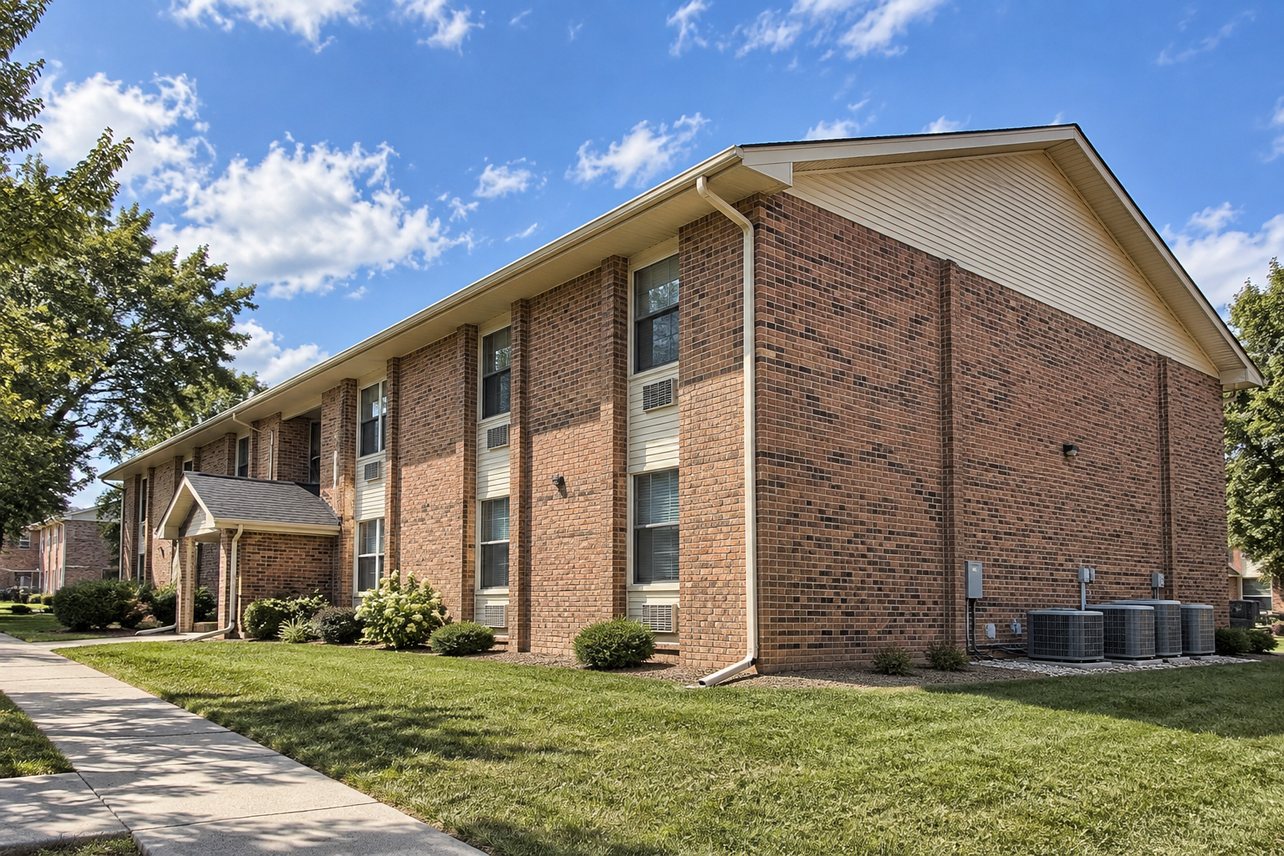 Asbury Park · 17 units
Near-empty at acquisition
Only three of seventeen units occupied.
Kitchens and bathrooms renovated; electric and gas metering separated so each unit covers its own utility costs.
 Asbury Park · 32 units
A few blocks away, four years later
Purchased with less than a quarter of its units leased.
The same renovation and metering programme, applied to a larger building in a tightening rental market.
Delivering Institutional-Grade Results
Through disciplined execution, these investments generated strong outcomes for ZION's investors:
$3.8M
These outcomes reflect not only the success of individual investments, but the consistency of ZION's broader investment philosophy: identifying opportunities with asymmetric upside and executing with precision. Each deal followed the same underlying formula, disciplined underwriting at acquisition, focused capital deployment shortly after closing, and active management through stabilization, and each delivered a return profile that reflects the strength of that formula rather than the influence of any single market cycle.
A Repeatable Investment Framework
These case studies underscore ZION's ability to systematically transform underperforming multifamily assets into high-performing investments. By combining strategic acquisition, targeted capital deployment, and active asset management, the firm continues to deliver compelling results across its portfolio.
As market conditions evolve, ZION remains focused on sourcing opportunities where disciplined execution and hands-on property management can drive meaningful value, reinforcing its position as a trusted partner for investors seeking exposure to multifamily real estate in New Jersey and New York City.
For investors and property owners alike, ZION's track record with these five properties offers a clear signal of what the firm looks for and how it operates once an asset is in hand. Underinvestment is treated as opportunity rather than risk, and the firm's in-house investment and property management teams are structured to act on that opportunity quickly, deploying capital with intention and managing every asset with the same level of attention regardless of size. That consistency is what allows ZION to describe its results not as a series of individual wins, but as evidence of a repeatable, institutional-grade investment framework.